
On This Page
- Introduction
- Why Multiple Stripe Accounts Even Matter
- 1. Multi-Brand Ecommerce Stores
- 2. Marketplace or Multi-Vendor Businesses
- 3. Businesses Operating in Multiple Countries
- 4. High-Risk or Regulated Industry Businesses
- 5. Subscription-Based Businesses
- 6. Businesses Managing Multiple Payment Models
- 7. Agencies or Businesses Managing Client Payments
- Can WooCommerce Handle Multiple Stripe Accounts?
- Benefits of Using Multiple Stripe Accounts
- Common Mistakes Businesses Make
- Final Thoughts
- Frequently Asked Questions (FAQs)
Get in Touch
Let’s be honest. Managing payments in a growing online business can get messy.
At first, one payment account works just fine. Everything flows into one place; reporting is simple, and you don’t really question it. But then things scale.
You add more products. Maybe multiple brands. Maybe different regions. Suddenly, payments start mixing, reconciliation gets confusing, and delays creep in.
That’s usually the point where businesses start exploring multiple Stripe accounts - not as a luxury, but as a necessity.
This becomes more relevant if you are running a WooCommerce store.
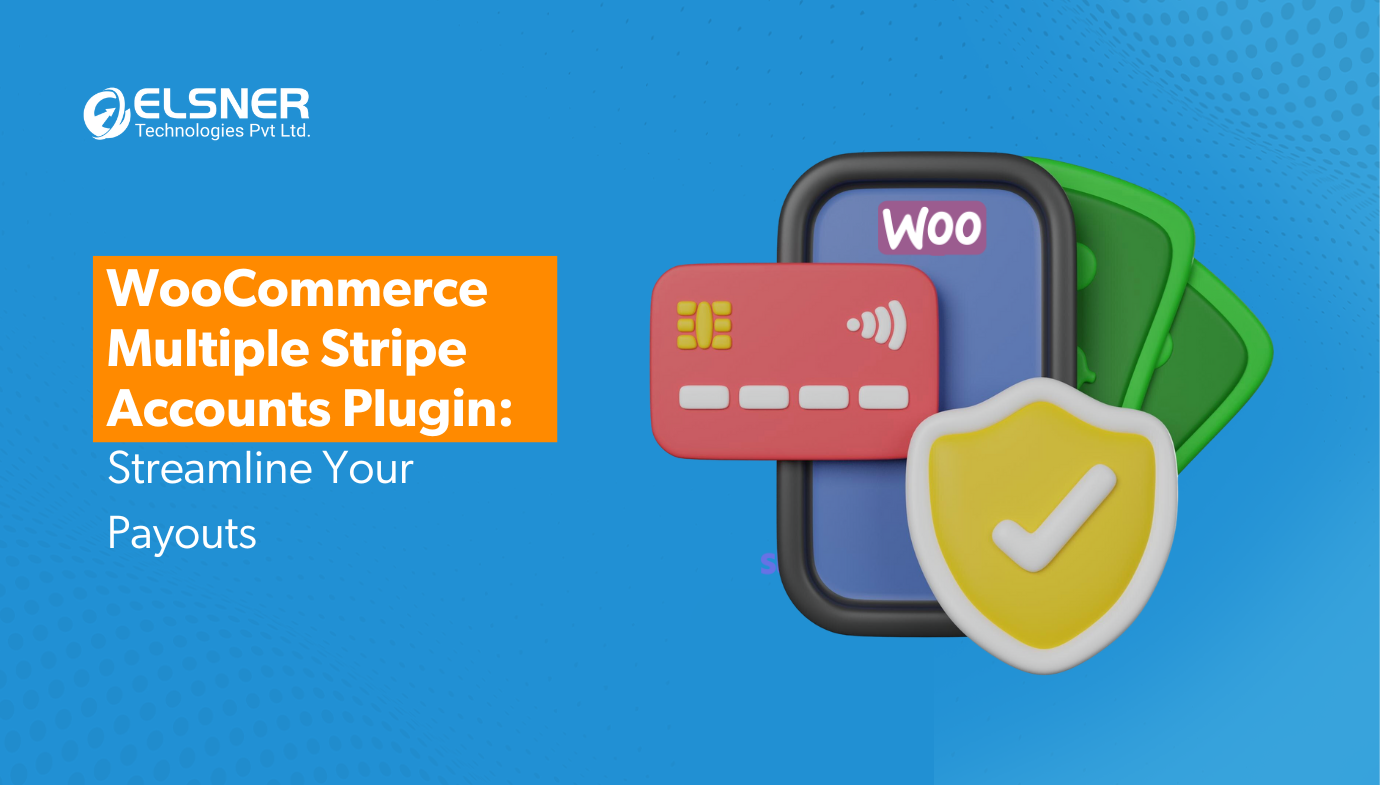
In fact, many businesses that use the WooCommerce Stripe payment gateway eventually realize that smart payment splitting can improve speed, clarity, and even compliance.
So, who actually needs this setup? Let’s break it down.
Why Multiple Stripe Accounts Even Matter
Before jumping into business types, quick context. Using multiple Stripe accounts means:
-
Payments are routed based on logic (product, region, vendor, etc.)
-
Funds don’t get mixed across operations
-
Risk is distributed (instead of everything tied to one account)
-
Payouts can be faster and more predictable
It’s not about complexity. It’s about control. And once your business reaches a certain stage, control becomes everything.
1. Multi-Brand Ecommerce Stores
If you’re running more than one brand under a single WooCommerce setup, things can get confusing quickly. Different brands often mean:
-
Separate accounting
-
Different pricing structures
-
Unique tax rules (sometimes)
Now imagine all payments going into one Stripe account. Not ideal.
With multiple Stripe accounts for WooCommerce, you can assign each brand its own payment flow. That means:
-
Cleaner bookkeeping
-
Easier financial tracking
-
Better reporting per brand
And honestly, your finance team will thank you.
2. Marketplace or Multi-Vendor Businesses
This one’s a big one.
If you're running a marketplace - think vendors, sellers, or service providers - then a single Stripe account just doesn’t cut it. You need:
-
Payments split between multiple vendors
-
Automated payouts
-
Clear tracking per seller
Using multiple Stripe accounts (or connected accounts) allows each vendor to receive payments directly or through structured distribution. Without this setup, you’re basically doing manual work, and that doesn’t scale.
3. Businesses Operating in Multiple Countries
Payments across regions come with their own complications. Different currencies. Different regulations. Different payout timelines.
If you're selling globally and using one Stripe account, you might run into:
-
Currency conversion losses
-
Delayed payouts
-
Compliance issues
Instead, businesses often set up region-specific Stripe accounts. So:
-
US payments → US Stripe account
-
EU payments → EU Stripe account
-
India payments → India Stripe account
This reduces friction and makes everything smoother.
4. High-Risk or Regulated Industry Businesses
Some industries are flagged as “high-risk” by payment providers. Example:
-
Subscription-heavy businesses
-
Digital services with refunds
-
Certain regulated products
If everything runs through a single Stripe account, a single issue (such as a spike in disputes) can impact your entire operation. That’s risky.
By splitting payments across multiple accounts, businesses can:
-
Isolate risk
-
Protect core revenue streams
-
Maintain continuity even if one account faces restrictions
It’s not about avoiding rules; it’s about smart structuring.
5. Subscription-Based Businesses
Subscriptions sound simple until you manage thousands of recurring payments. Then you start noticing patterns:
-
Different subscription plans
-
Different billing cycles
-
Regional pricing differences
When all of this flows into one account, reporting becomes messy. With multiple Stripe accounts, businesses can separate:
-
Monthly vs yearly subscriptions
-
Domestic vs international users
-
Product-specific subscriptions
This makes revenue tracking far more accurate. And more importantly, predictable.
6. Businesses Managing Multiple Payment Models
Some businesses don’t just sell products. They might have:
-
One-time purchases
-
Subscriptions
-
Service-based billing
-
Installment payments
All under one WooCommerce store. Now, mixing all of that into a single Stripe account? It gets complicated fast. Instead, businesses assign different Stripe accounts to different payment types.
Here’s a simple way to look at it:
|
Payment Type |
Suggested Setup |
|
One-time purchases |
Primary Stripe account |
|
Subscriptions |
Separate Stripe account |
|
Services/Bookings |
Dedicated account |
|
International payments |
Region-specific account |
This kind of separation helps in:
-
Cleaner reporting
-
Better cash flow visibility
-
Faster reconciliation
7. Agencies or Businesses Managing Client Payments
If you’re an agency handling payments for clients, especially in ecommerce, things can get tricky. You don’t want:
-
Client funds mixing
-
Manual transfers
-
Accounting confusion
Using multiple Stripe accounts allows you to:
-
Assign separate accounts per client
-
Maintain financial transparency
-
Avoid operational errors
It’s a small structural decision, but it makes a huge difference in the long term.
So, Can WooCommerce Actually Handle This?
Short answer? Yes. But not natively.
You’ll need a solution that allows WooCommerce multiple payment accounts, specifically something that supports:
-
Conditional payment routing
-
Multiple Stripe integrations
-
Flexible mapping (by product, category, or logic)
That’s where a dedicated WooCommerce Stripe plugin comes in. Without the right setup, trying to manage multiple Stripe accounts manually can feel… overwhelming.
Benefits of Using Multiple Stripe Accounts
Just to pull everything together:
-
Faster payouts (less congestion in one account)
-
Better financial clarity
-
Reduced operational risk
-
Easier compliance across regions
-
Scalable payment infrastructure
And maybe the biggest one - peace of mind.
Common Mistakes Businesses Make
Let’s take a look at some common mistakes businesses make when using multiple Stripe accounts in WooCommerce.
Here’s something I’ve seen quite often. Businesses wait too long. They continue using a single Stripe account even when:
-
Orders increase
-
Teams expand
-
Operations diversify
By the time they decide to restructure, it’s already messy. If your business is growing and payments are getting harder to manage, that’s your signal.
Final Thoughts
There’s no “perfect time” to switch to multiple Stripe accounts. But there is a point where not doing it starts slowing you down.
If your WooCommerce store is growing, handling different products, regions, or business models, then yes, this setup is worth considering. Not because it’s fancy. But because it’s practical.
Frequently Asked Questions

Harshal Shah
Harshal Shah is the Founder and CEO of Elsner Technologies, a leading global IT and eCommerce development company. With over two decades of experience in the industry, Harshal has spearheaded innovative projects, particularly in Magento and WordPress development. His entrepreneurial spirit and technical expertise have positioned Elsner as a top solution provider for businesses seeking cutting-edge digital transformation.